Theodor Herzl's Balkan Trail
There are cities that do not try to dazzle the tourist from the first minute. You have to walk them on foot, feel their breath, listen to the murmur of old streets, stand on the riverbank, peer into ancient fortresses. Belgrade, for me, turned out to be just such a city.
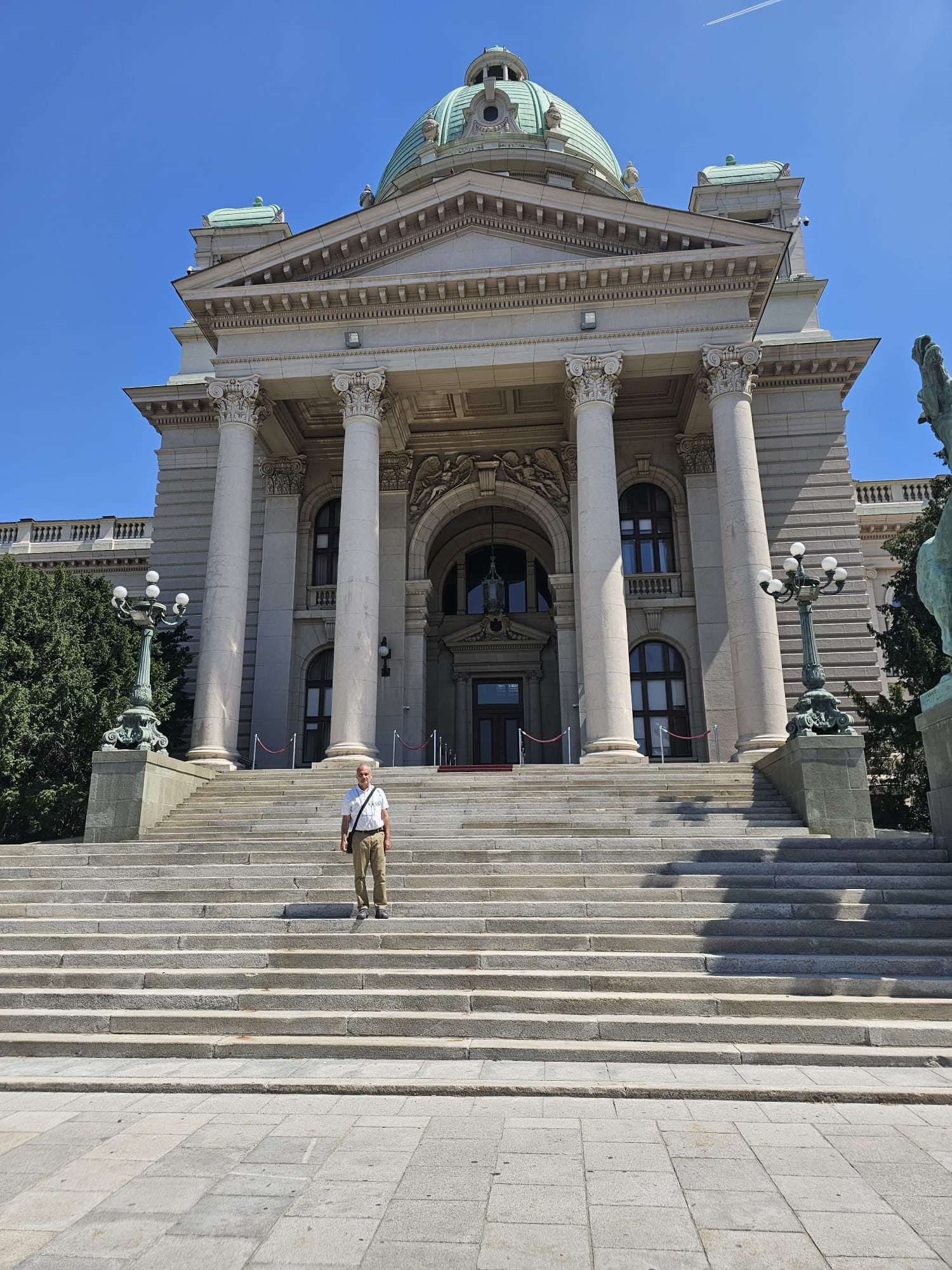 I am writing these lines from Serbia. And it was here that I read a piece of news that made me look at this country in an entirely new way. Israel, together with the Serbian government and the country's Jewish community, has decided to transfer the remains of Simon and Rebecca Herzl — the grandfather and grandmother of Theodor Herzl — from Belgrade to Jerusalem. Very soon they will rest beside their great grandson on Mount Herzl. The state ceremony will take place on the 77th anniversary of Theodor Herzl's own reburial in Israel, with the participation of President Isaac Herzog and Prime Minister Benjamin Netanyahu.
This news is far more important than it might seem at first glance. Most people know Theodor Herzl as the founder of political Zionism. But few know that the roots of his worldview are in many ways bound up with Serbia. Herzl's grandfather, Simon Herzl, was one of the leaders of the Jewish community of Zemun — an old town that today is part of Belgrade. He was a close disciple of the outstanding Rabbi Yehuda Alkalai — one of the first thinkers who, long before Herzl, spoke of the return of the Jewish people to their historical homeland and the founding of their own state. It was Alkalai who, as early as the mid-nineteenth century, was calling for what decades later would become the idea of Zionism. Later Simon Herzl would tell his grandson about these views, and many historians believe that it was precisely these conversations that became one of the first sparks from which the great movement for the rebirth of Jewish statehood would eventually blaze up. When you read about this while walking the streets of Belgrade, history suddenly ceases to be the pages of a textbook.
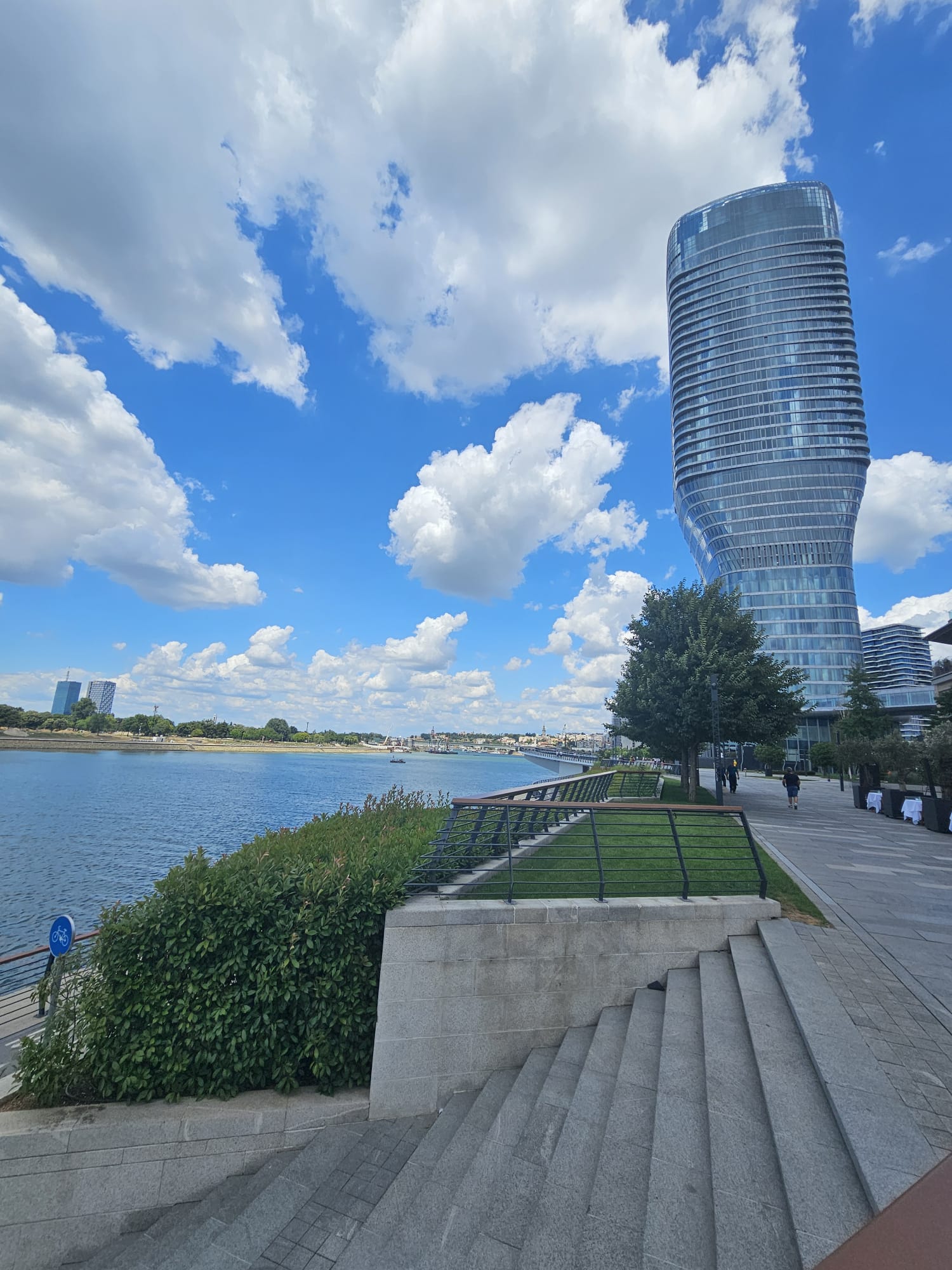 Over a few days I walked Belgrade, I think, from end to end. I stood on the Kalemegdan fortress, where for two thousand years the Sava and the Danube have met. From here opens one of the most beautiful views in Europe. It seems as if history itself flows along with the two great rivers. Belgrade is an astonishing city. Over the course of its history it has been destroyed more than forty times and just as many times reborn. Perhaps that is why it feels so close to Israelis. Our people, too, know the price of destruction, of memory, and of rebirth.
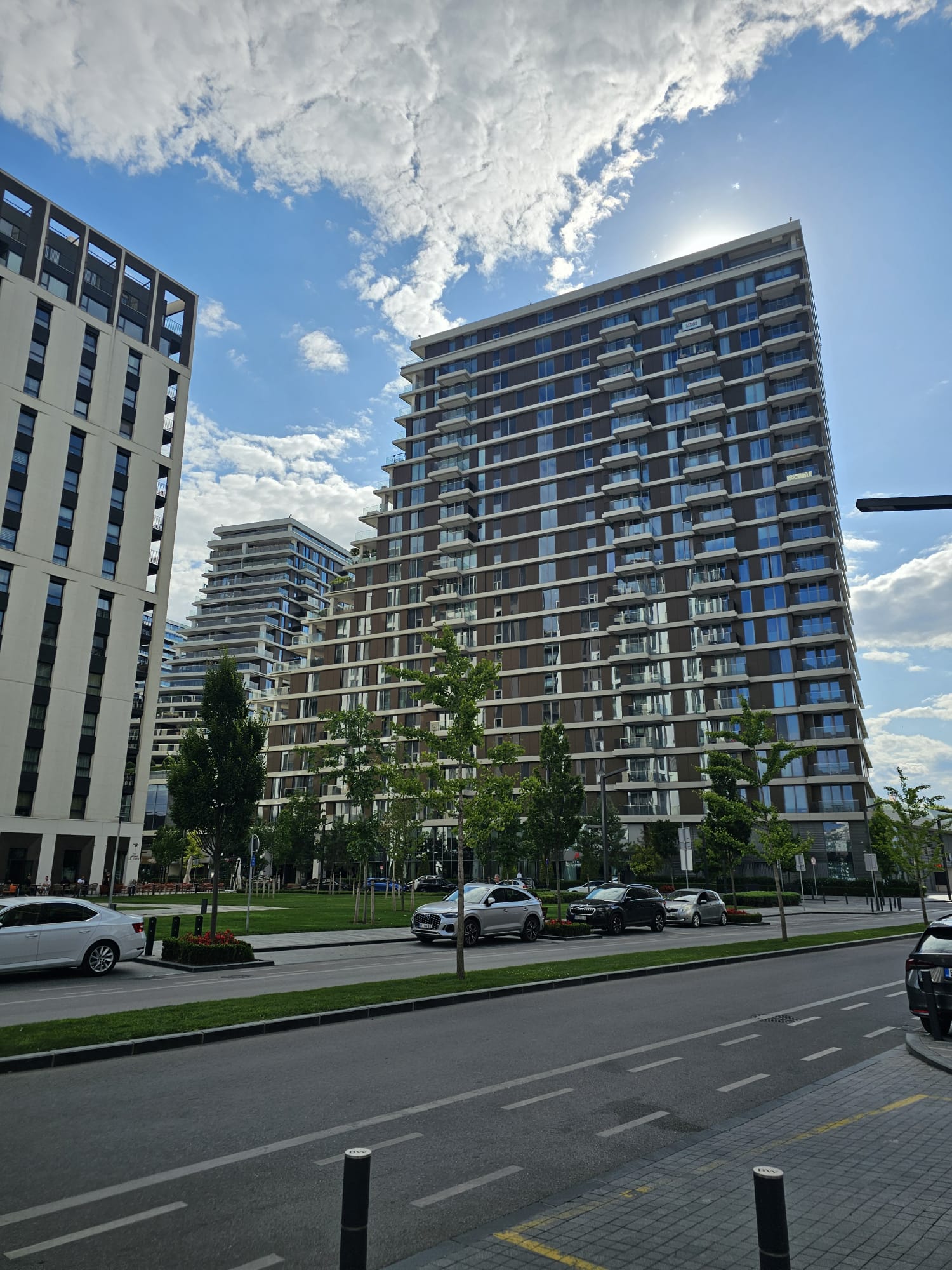
Beside the ancient fortress walls another Belgrade is being born — modern, reaching toward the future. The symbol of this new city is the grand Belgrade Waterfront district, which has risen on the banks of the Sava. Here glass skyscrapers are reflected in the river, and among them it is especially pleasing to see a name familiar to every Israeli — Africa Israel. It is as if to remind us how tightly the fates of Israel and Serbia are intertwined today.
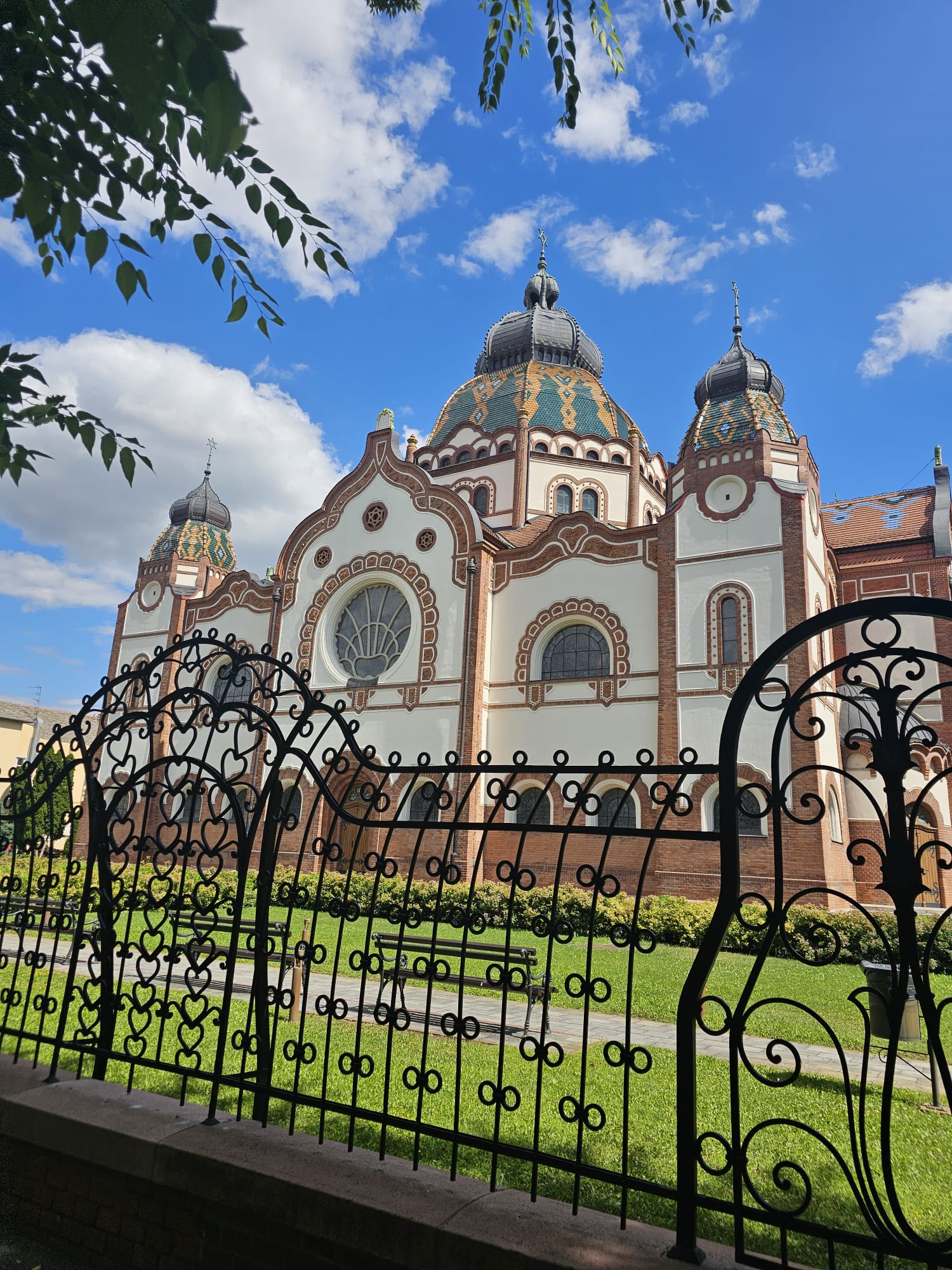
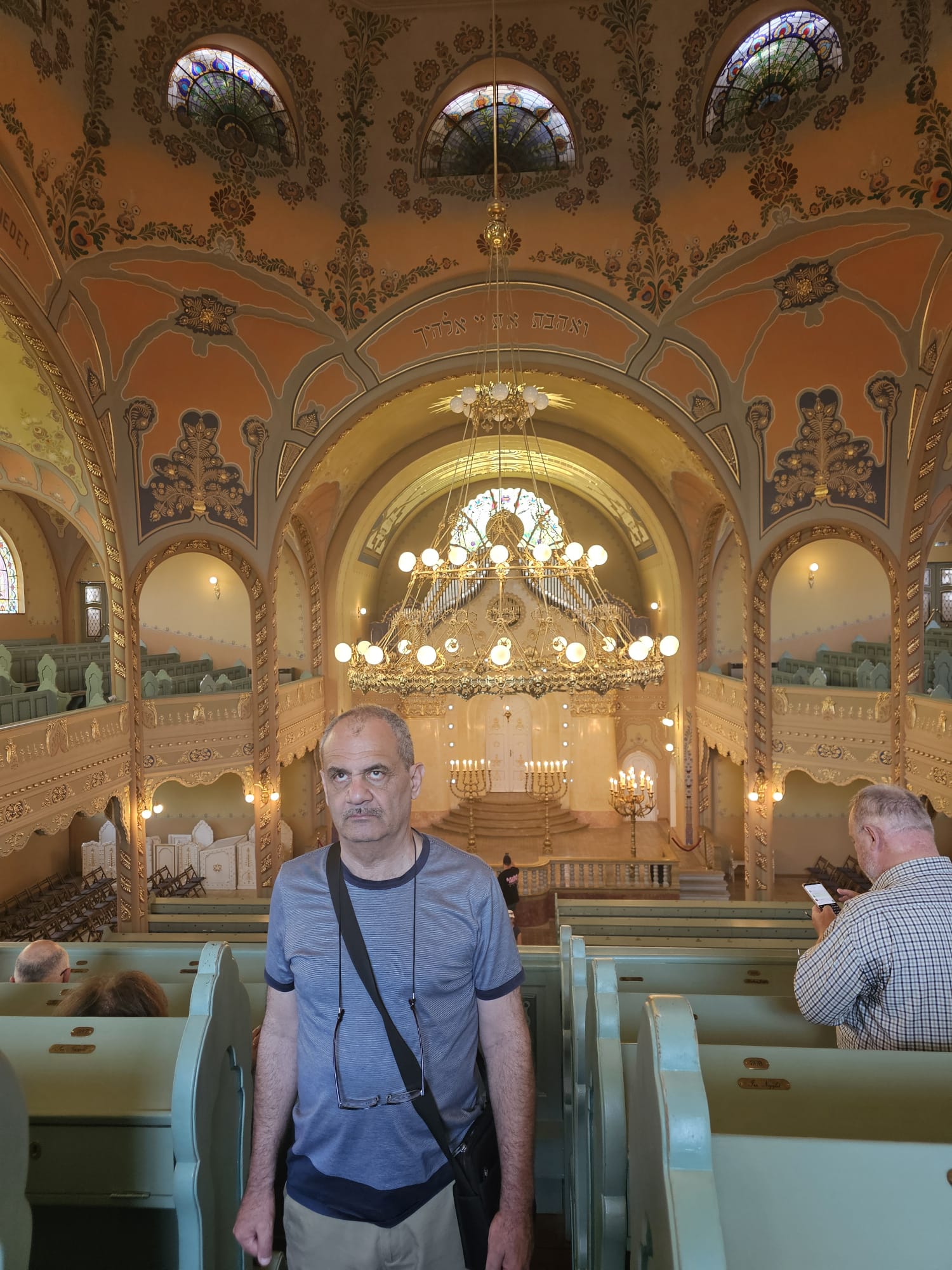
But most of all I was struck by another place. The small northern town of Subotica. Here stands one of Europe's architectural jewels — a magnificent synagogue built in 1902 in the Hungarian Art Nouveau style. It is considered the second-largest active historical synagogue in Europe after the Great Synagogue of Budapest. After many years of restoration, it has once again come to stand in all its beauty.
 When you step inside, you cannot help lifting your head toward the enormous dome, taking in the astonishing stained-glass windows, the carved ornament, the vivid colors… And suddenly you realize that there is almost no one around. The vast hall, once designed to hold a thousand and a half people, today holds only silence. Once the life of a large Jewish community pulsed here; now the magnificent building has become, above all, a monument of memory. It recalls not only the flowering of Jewish life in Vojvodina, but also the terrible tragedy of the Holocaust, which destroyed almost the entire local community. Perhaps that is why the news about the Herzl family is felt especially keenly here.
History, it seems, is closing a circle. Once the ideas about the return of the Jews to Zion were spoken in a small Balkan town. Then they inspired a boy named Theodor Herzl. Later came the book The Jewish State, then the First Zionist Congress, and half a century after that — the State of Israel. And now, almost a century and a half after those first conversations between grandfather and grandson, Simon and Rebecca Herzl are returning to Jerusalem. This is more than a reburial. It is a symbol of gratitude to the generations who planted the ideas that changed history.
 Today the relations between Serbia and Israel are entering a new stage. A strategic dialogue between the two countries has been launched, economic and cultural cooperation is expanding, and Serbia remains one of the few European countries where Jewish heritage is not only preserved but also receives state support. It turns out that between Belgrade and Jerusalem there are far fewer kilometers than it seems on a map. Sometimes they are joined by a single human destiny. Sometimes — by a family history. And sometimes — by memory, which, like the two great rivers, continues to flow through time, joining the past and the future of the Jewish people.
Leonid Elizarov
In the photographs: